
Why “Current State” Is a Dangerous Lie in Decision-Heavy Systems
One of the most persistent ideas in software is that there is such a thing as the current state. The policy is active. The balance is correct. The order is…
One of the most persistent ideas in software is that there is such a thing as the current state. The policy is active. The balance is correct. The order is…

In theory, EventModeling should be a perfect fit for large organizations. It creates shared understanding, removes ambiguity, and aligns business and technology around a single, explicit view of how the…

In my previous post, I started digging into one of my favourite topics: back-dated changes. Not because they are rare or exotic, but because they are remarkably honest. They tend…

This is one of my favourite topics: back dated changes… Provocative question: Rewriting history or not? A while ago, I described a seemingly simple insurance scenario to a group of…
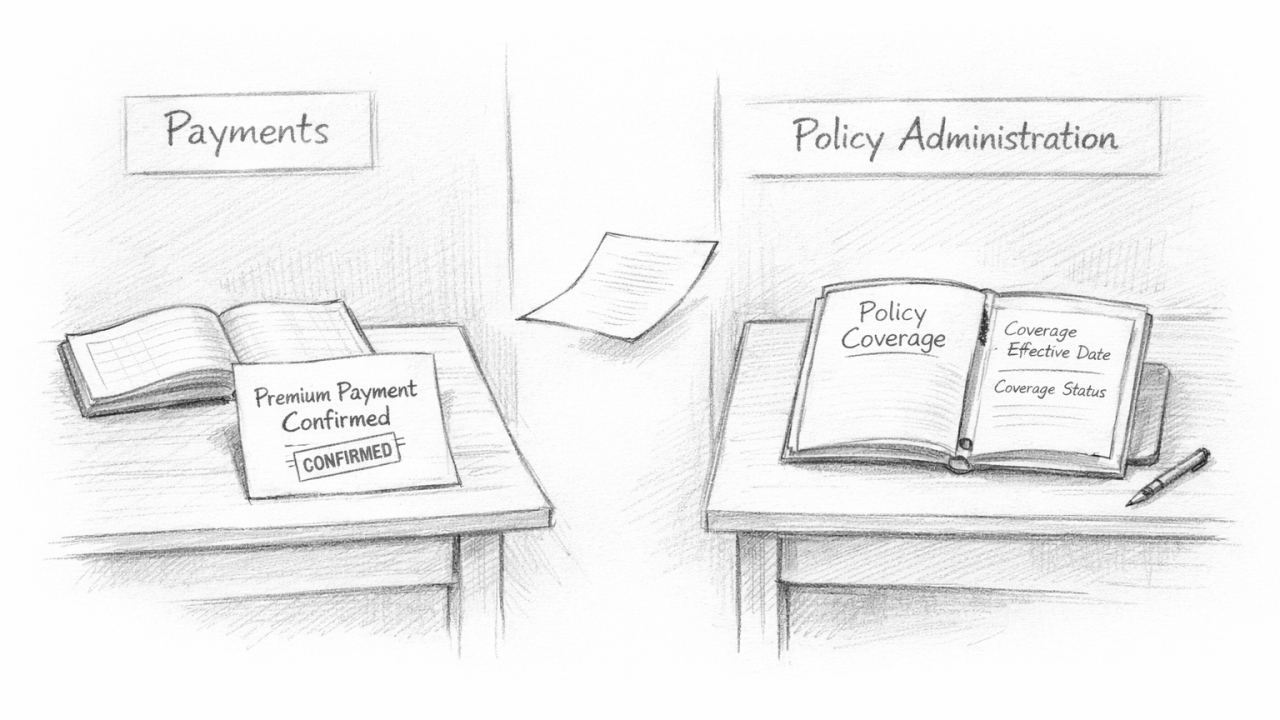
In my recent posts I’ve been using Life & Health insurance as a concrete example — not because the problem is specific to insurance, but because it gives us a…
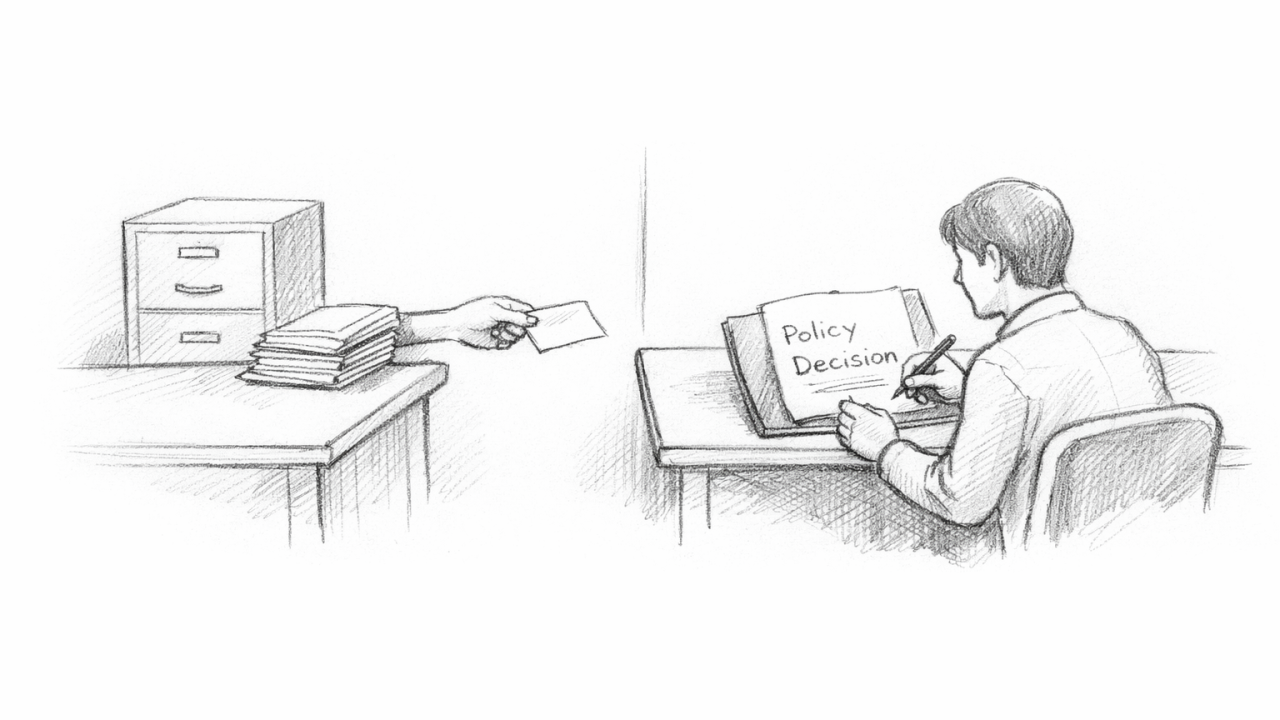
After my last post on aggregates and Dynamic Context Boundaries (DCB), a colleague followed up with a thoughtful question that kept lingering with me. Not because it challenged the mechanics…

One of the nicest things about writing publicly is that it invites real conversations. After my recent comment about Dynamic Context Boundaries (DCB) and the declining appeal of aggregates, a…

In the first post, I talked about the communication gap in enterprise software: too many stakeholders, too many languages, too many documents — and no shared source of truth. In…

In my previous post, I wrote about what I believe is one of the root causes of pain in enterprise software development: the absence of a shared blueprint. No common…

One of the biggest problems I see in enterprise software development isn’t technology, tooling, or even skills. It’s language. In large, multi-team organizations, there is usually no shared language and…